ESC

What are you looking for?

ESC

What are you looking for?

Shopping cart

Your favorites

You have not yet added any recipe to your favorites list.

Browse recipes

Schedule your 15-minute demo now

We’ll tailor your demo to your immediate needs and answer all your questions. Get ready to see how it works!

0
0
×

School E-Shop

Technology-Driven School Risk Assessment

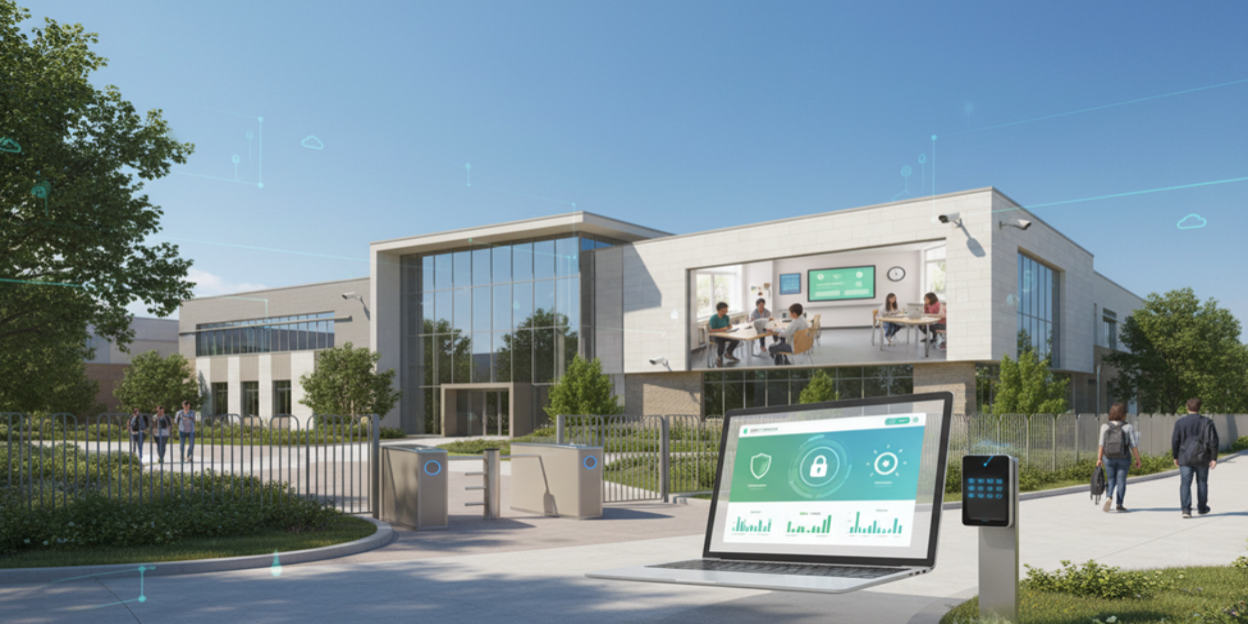
Modern technology has fundamentally changed how schools approach safety and risk assessment. Instead of relying only on manual observation and paper-based procedures, schools can now use digital tools to predict, detect, and respond to risks more efficiently and proactively.

Surveillance cameras are often the first layer of technology in school safety. When used responsibly, CCTV systems provide real-time visibility of corridors, entrances, Playgrounds, and other critical areas. Combined with AI analytics, these systems can flag unusual movement patterns, loitering, or unauthorized access, helping staff spot potential issues before they escalate.

Access control systems add another protective layer. ID-based entry, smart cards, biometric systems, or secure visitor management processes ensure that only authorized individuals are allowed inside the campus or specific zones such as staff rooms, labs, or server rooms. This reduces the risk of intrusions and helps maintain accurate records of who is on campus at any given time.

In the digital space, cybersecurity is now an essential part of school risk assessment. Schools store sensitive data about students, families, and staff. Strong password policies, secure networks, regular software updates, and awareness training help protect against data breaches, phishing, and other cyber threats. Cyber safety is not just an IT issue; it is a critical part of overall school safety.

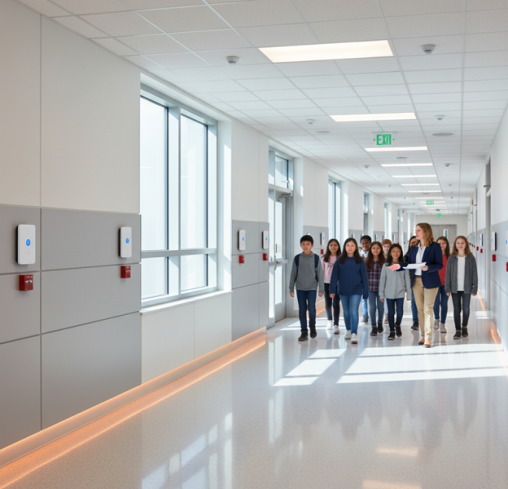
Emergency notification systems further strengthen preparedness. Mass SMS, app-based alerts, PA systems, and classroom display notifications can rapidly inform students, staff, and parents about emergencies such as fire, intrusions, or severe weather. Automated workflows ensure that the right people get the right information at the right time, improving response speed and coordination.

The benefits of integrating these technologies are significant: faster threat detection, improved incident response, and data-driven decision-making. Analytics from access logs, incident reports, and camera footage can reveal patterns—such as recurring hotspots, unsafe behaviors, or frequent near-misses—that help school leaders refine policies, supervision schedules, and infrastructure design.

However, technology must be used thoughtfully. Schools need clear privacy policies to balance surveillance with students’ rights and dignity. Communication with parents and staff about what is monitored, why, and how data is stored is essential. Budget constraints also matter; leaders should prioritize high-impact tools and plan phased implementation. Finally, technology is only effective when people know how to use it. Regular training for security staff, teachers, and administrators is crucial.

When thoughtfully integrated into risk assessment policies, technology becomes a powerful partner in school safety. It does not replace human judgment but strengthens it. A balanced, ethical, and well-planned tech-enabled approach helps schools stay one step ahead of potential threats and maintain a safe, supportive environment for every child.

Prev Article
Implementing an Effective Risk Assessment Policy in Schools
Next Article
Legal Landmines in School Safety Getting Risk Assessments Right

Related to this topic:

rocket-icon rocket-icon rocket-icon

Learn What Makes Schools Truly Safe

Receive safety guides, policy updates, and best practices from global experts.

We care about your Personnel Data. Please check Privacy Policy