ESC

What are you looking for?

ESC

What are you looking for?

Shopping cart

Your favorites

You have not yet added any recipe to your favorites list.

Browse recipes

Schedule your 15-minute demo now

We’ll tailor your demo to your immediate needs and answer all your questions. Get ready to see how it works!

0
0
×

School E-Shop

Smart Technology in School Fire Safety

In today’s technology-driven world, schools have powerful tools to strengthen fire safety and protect students, staff, and visitors. When thoughtfully implemented, modern systems do more than sound an alarm—they help detect danger early, coordinate response, and support safe evacuation.

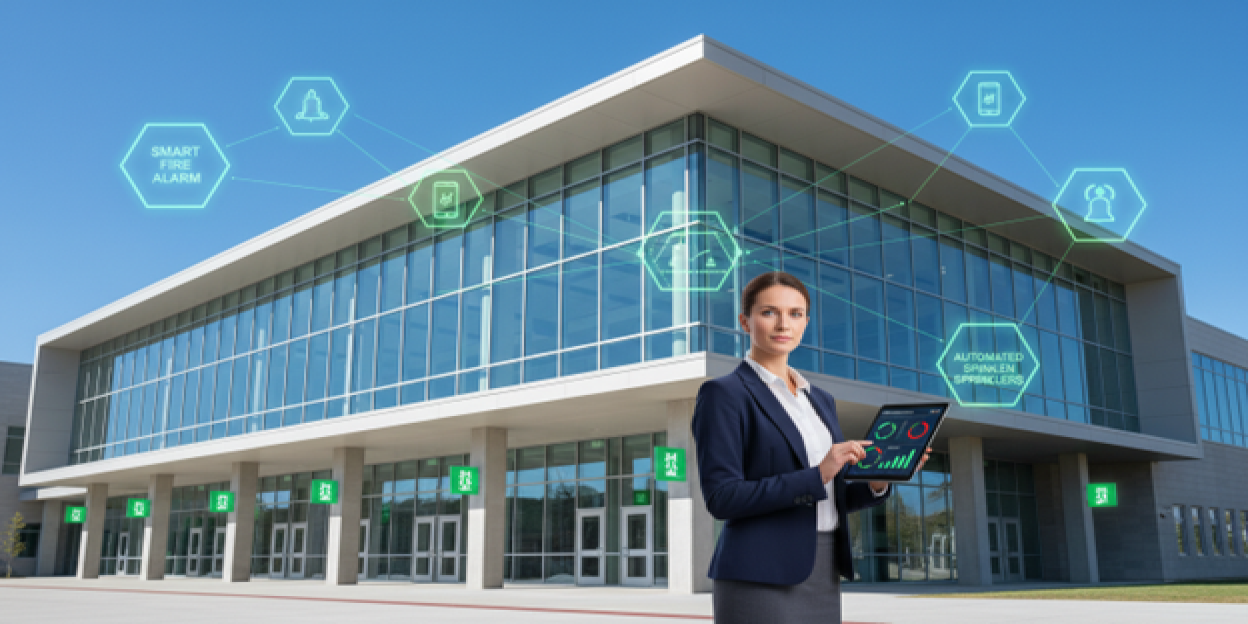
Smart Fire Alarms: Faster, Smarter Alerts

Traditional smoke detectors are gradually giving way to smart fire alarms. These devices use advanced sensors to detect smoke, heat, and sometimes even gas leaks. Because they analyze multiple data points, they can reduce false alarms from dust, cooking smoke, or steam.

Smart alarms can be connected to a central monitoring system or mobile apps, sending instant alerts to school leadership, facility managers, and emergency services. This speeds up decision-making and allows staff to act immediately—whether that means starting evacuation procedures or confirming an all-clear.

Integrated Sprinkler Systems: Targeted Fire Control

Modern sprinkler systems no longer mean “everything sprays at once.” Many are zoned and automated, activating only where fire or smoke is actually detected. This helps to:

  • Control or suppress fires quickly
  • Minimize water damage to classrooms and equipment
  • Create safer escape paths for students and staff

More advanced systems can distinguish between real threats and non-hazardous conditions like steam, reducing unnecessary activations that can disrupt learning and damage property.

Emergency Lighting and Exit Signage: Guiding Safe Evacuation

Smoke and power outages can make it difficult for students and staff to find their way out during an emergency. LED emergency lights and clearly illuminated exit signs are critical.

Key features schools should consider include:

  • Battery-backed or solar-powered lights to work during outages
  • Low-level lighting along corridors and staircases to guide movement
  • Consistent, standardized placement of exit signs at every key decision point

These visual cues support calm, orderly evacuation—even for young children or visitors who are unfamiliar with the building layout.

Advantages and Real-World Challenges

The benefits of these technologies are clear:

  • Earlier detection of fire or hazards
  • Automated actions that reduce reliance on human reaction time
  • More accurate information for emergency decision-making

However, schools must also plan for:

  • Higher initial installation costs
  • Staff training to understand system functions and dashboards
  • Regular testing, maintenance, and updates to keep systems reliable

Investing in technology is not a substitute for drills, supervision, or clear procedures—it is a powerful support.

Moving Forward: A Safer, Smarter Campus

Technology is transforming how schools prevent, detect, and respond to fires. By combining smart alarms, integrated sprinklers, and robust emergency lighting with strong policies and regular practice, schools can significantly reduce risk.

Now is the time for school leaders and child care administrators to review their current fire safety systems, identify gaps, and explore how technology can help create a safer learning environment for every child.

Prev Article
The Foundation of Fire Safety in Schools Prevention and Preparedness
Next Article
The Importance of a School Pest Management Policy for Student Safety

Related to this topic:

rocket-icon rocket-icon rocket-icon

Learn What Makes Schools Truly Safe

Receive safety guides, policy updates, and best practices from global experts.

We care about your Personnel Data. Please check Privacy Policy