ESC

What are you looking for?

ESC

What are you looking for?

Shopping cart

Your favorites

You have not yet added any recipe to your favorites list.

Browse recipes

Schedule your 15-minute demo now

We’ll tailor your demo to your immediate needs and answer all your questions. Get ready to see how it works!

0
0
×

School E-Shop

Mobile Phones in Modern Classrooms

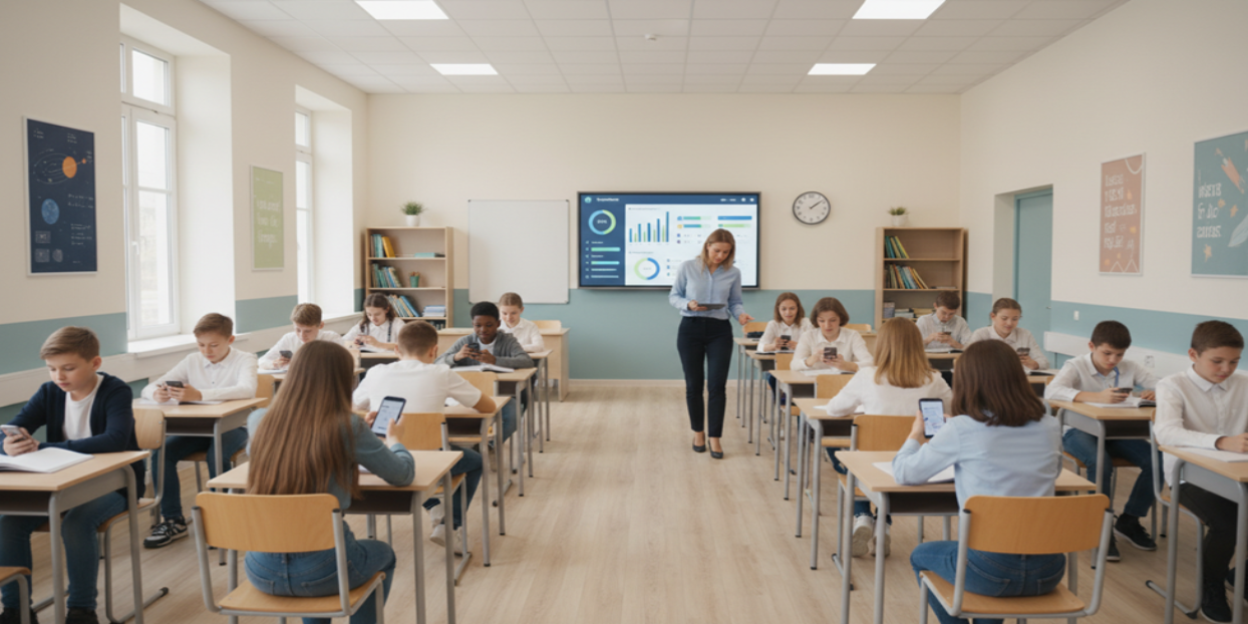
Mobile phones are no longer just communication devices—they are powerful mini-computers that students carry in their pockets. When used thoughtfully, they can support research, collaboration, and personalized learning. The challenge for schools is not whether to allow phones, but how to manage them safely and constructively.

From Distraction to Learning Tool

A “mobile-friendly learning” approach encourages schools to allow phones for clearly defined educational purposes. Instead of banning devices entirely, schools can guide students to use them for:

  • Quick research and fact-checking
  • Accessing digital textbooks and learning platforms
  • Participating in polls, quizzes, and interactive lessons
  • Collaboration through shared documents and classroom apps

When teachers intentionally design activities that require mobile use, students see phones as learning tools, not entertainment devices.

Why Clear Boundaries Matter

Unregulated phone use can cause serious problems:

  • Constant notifications and social media can reduce focus and academic performance.
  • Unsuitable content and unsupervised messaging can open doors to cyberbullying.
  • Photos and videos taken without consent may create privacy and safety issues.

To prevent this, schools need structured, written policies—not just verbal warnings.

Key Elements of a Safe Mobile Phone Policy

School leaders and teachers can work together to create a clear, age-appropriate framework that includes:

  1. When phones can be used
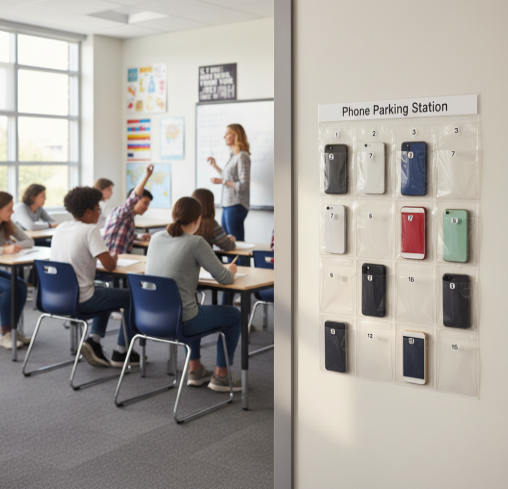
    • Allowed only during specific lessons or teacher-directed activities
    • Silent mode during school hours
    • No use during exams, assemblies, or emergency drills
  2. What phones can be used for
    • Approved educational apps and learning platforms
    • Research and project work
    • School communication tools (if applicable)
  3. What is not allowed
    • Social media scrolling during class
    • Gaming, video streaming, or non-educational apps
    • Taking photos or videos of staff or students without permission
  4. Cyber safety and digital citizenship
    • Clear rules on respectful online behavior
    • Zero tolerance for cyberbullying and harassment
    • Guidance on privacy, sharing content, and reporting unsafe behavior

Supporting Teachers and Parents

For mobile-friendly learning to work, teachers need training in classroom tech tools and strategies to manage device use. Parents should be informed about the school’s mobile phone policy and encouraged to reinforce similar expectations at home.

With the right balance of permissions, boundaries, and supervision, mobile phones can shift from being a constant classroom distraction to a powerful, safe, and structured learning asset. Schools that plan proactively will help students build both digital skills and digital discipline.

Prev Article
Implementing Mobile Phone Policies in Schools: Challenges and Smart Solutions
Next Article
Enforcing Mobile Phone Policies in Schools: Best Practices That Work

Related to this topic:

rocket-icon rocket-icon rocket-icon

Learn What Makes Schools Truly Safe

Receive safety guides, policy updates, and best practices from global experts.

We care about your Personnel Data. Please check Privacy Policy