ESC

What are you looking for?

ESC

What are you looking for?

Shopping cart

Your favorites

You have not yet added any recipe to your favorites list.

Browse recipes

Schedule your 15-minute demo now

We’ll tailor your demo to your immediate needs and answer all your questions. Get ready to see how it works!

0
0
×

School E-Shop

Building Safer Schools Together

Creating a truly safe school is not a one-time project—it is a continuous process that involves people, systems, and culture working together. When schools adopt clear best practices, they can prevent incidents, respond effectively to emergencies, and provide an environment where students feel protected and supported.

A strong foundation for school safety begins with collaboration. Partnering with local law enforcement helps schools stay informed about current risks, refine emergency plans, and practice joint responses. Regular meetings, campus walkthroughs, and participation in drills ensure that police and school teams understand each other’s roles long before a crisis occurs.

Families are equally important partners. When parents understand school safety measures, access procedures, and emergency protocols, they can reinforce expectations at home and respond calmly during real events. Sharing safety guidelines at orientations, through newsletters, and at parent meetings helps build trust and reduces confusion.

Students themselves are powerful allies in maintaining safety. Encouraging them to report concerns—whether it’s bullying, unsafe behavior, or suspicious activity—creates an early warning system. Simple tools such as anonymous reporting boxes, digital forms, or a trusted adult network make it easier for students to speak up. Teaching them what, when, and how to report is essential.

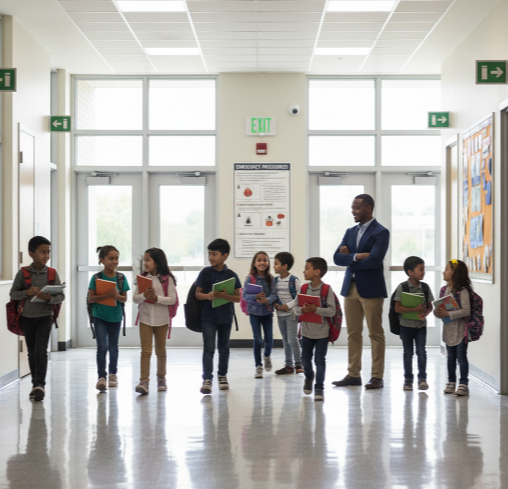
Crisis simulation drills are another key best practice. Fire, lockdown, evacuation, and shelter-in-place drills should be age-appropriate, clearly explained, and focused on calm, practiced routines. After each drill, debrief with staff and students to identify what worked, what felt confusing, and what needs improvement. This turns drills into genuine learning opportunities rather than box-checking exercises.

A safe school is not only physically secure—it is emotionally secure. Providing mental health support through counselors, school psychologists, or referrals helps address early signs of distress, anxiety, or aggression. When students feel heard and supported, the likelihood of escalation or self-harm decreases. Staff should be trained to recognize warning signs and know how to refer students for timely help.

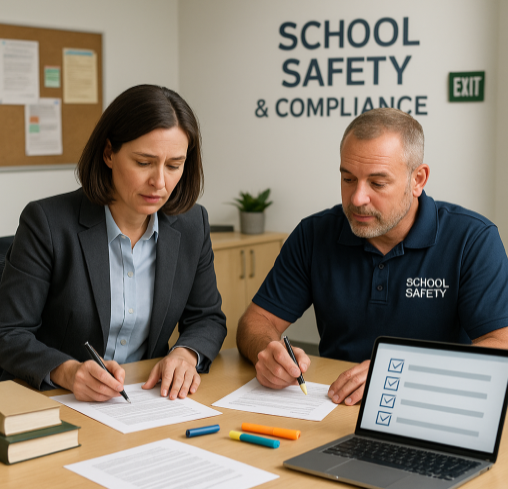
Evaluating school safety performance keeps the system honest and improving. Regular safety audits, including checks of infrastructure, supervision, policies, and emergency readiness, reveal gaps before they become incidents. Feedback from students, parents, and staff gives a clear picture of how safe people actually feel, not just how safe the school appears on paper. Comparing current practices to successful programs and established standards helps schools set realistic improvement goals.

Looking ahead, technology will increasingly support safer campuses. AI-powered threat detection, smarter camera systems, biometric access control, and digital tools for mental health screening and referrals are becoming more common. These innovations must always be paired with strong policies, human judgment, and respect for privacy.

By combining collaboration, student and parent engagement, practical drills, mental health support, and regular evaluation—enhanced by thoughtful use of technology—schools can create safe, welcoming environments where learning thrives.

Prev Article
Legal Landmines in School Safety Getting Risk Assessments Right
Next Article
Communication & Parental Involvement in School Trip Safety

Related to this topic:

rocket-icon rocket-icon rocket-icon

Learn What Makes Schools Truly Safe

Receive safety guides, policy updates, and best practices from global experts.

We care about your Personnel Data. Please check Privacy Policy