ESC

What are you looking for?

ESC

What are you looking for?

Shopping cart

Your favorites

You have not yet added any recipe to your favorites list.

Browse recipes

Schedule your 15-minute demo now

We’ll tailor your demo to your immediate needs and answer all your questions. Get ready to see how it works!

0
0
×

School E-Shop

Smart Storage for Safer Schools

A safe school is built on many small, consistent practices—and one of the most overlooked is how items are stored on campus. From lockers and classroom cupboards to staff rooms and storage rooms, clear storage policies play a vital role in preventing incidents, reducing clutter, and keeping dangerous or inappropriate items out of children’s reach.

A storage policy is a set of rules that explains what can be stored, where it can be kept, who can access it, and how it will be monitored. When these expectations are clear, students and staff are less likely to bring or keep items that could create safety risks, such as sharp tools, chemicals, or valuable belongings that might invite theft or conflict.

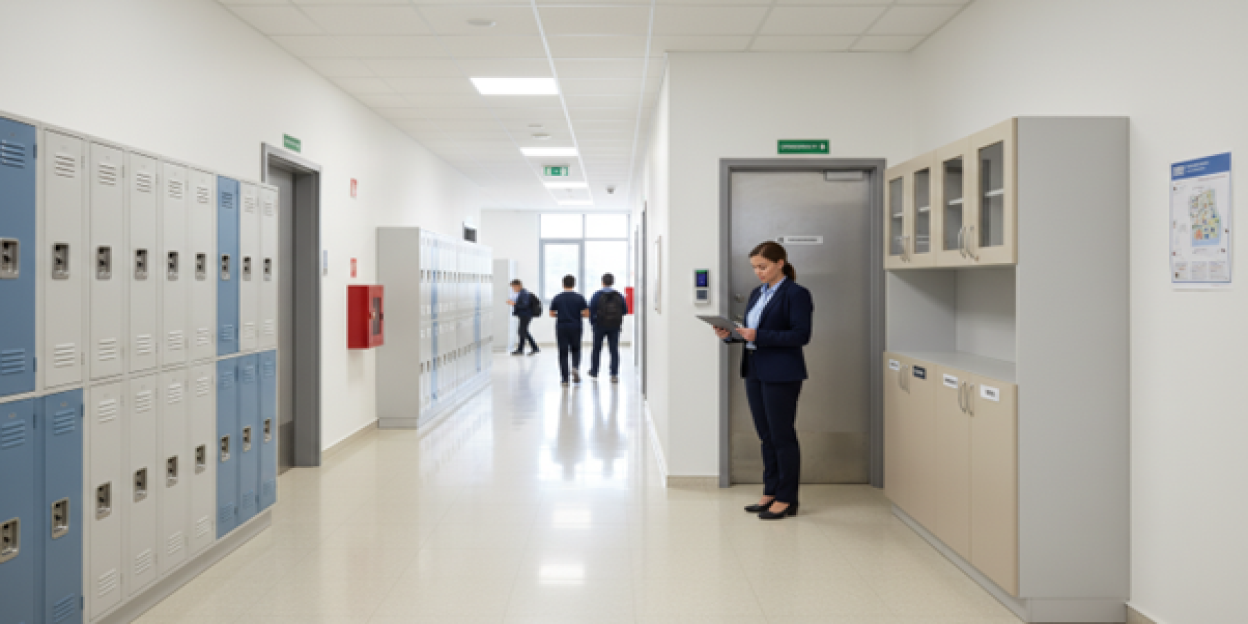
A strong school storage policy usually begins with clearly designated storage areas. This includes numbered student lockers, lockable classroom cabinets, and restricted storage rooms for faculty and maintenance. When spaces are clearly marked and well-managed, it becomes easier to trace responsibility and maintain order.

Equally important is a clear list of prohibited items. Schools should explicitly state that weapons, drugs, alcohol, fireworks, vaping devices, and hazardous materials are not allowed in any storage area. Even everyday items like certain cleaning chemicals or food that attracts pests should have clear rules for where and how they are stored.

Access control is another critical element. Not every student or staff member needs access to every space. Limiting access to science labs, maintenance stores, or medical supplies to authorized personnel helps prevent misuse, tampering, and accidental injuries.

Regular inspections help keep the policy alive in daily practice. Periodic locker checks, classroom cabinet reviews, and audits of staff storage rooms can identify prohibited, expired, or poorly stored items before they become a problem. These checks should be conducted respectfully, in line with school regulations and local laws, and communicated transparently to students and parents.

Finally, a storage policy must outline fair consequences for non-compliance. This may include warnings, parent communication, temporary loss of locker privileges, or disciplinary action for serious violations. Consistent enforcement sends a clear message that storage rules are about safety, not punishment.

When schools take storage seriously, they reduce opportunities for bullying, theft, and accidental harm. Emergency items like first aid kits, safety equipment, and evacuation materials are easier to find when storage is organized and controlled. Overall, a structured storage policy supports a culture of responsibility, respect for shared spaces, and care for student well-being.

School leaders should review their current storage practices, update or create a written storage policy, and involve staff, students, and parents in understanding why secure, organized storage is a key part of school safety.

Prev Article
Enforcing Mobile Phone Policies in Schools: Best Practices That Work
Next Article
Preventing Theft and Vandalism: How Smart Storage Policies Protect Your School

Related to this topic:

rocket-icon rocket-icon rocket-icon

Learn What Makes Schools Truly Safe

Receive safety guides, policy updates, and best practices from global experts.

We care about your Personnel Data. Please check Privacy Policy