ESC

What are you looking for?

ESC

What are you looking for?

Shopping cart

Your favorites

You have not yet added any recipe to your favorites list.

Browse recipes

Schedule your 15-minute demo now

We’ll tailor your demo to your immediate needs and answer all your questions. Get ready to see how it works!

0
0
×

School E-Shop

Secure Storage, Safer School Environment

An effective storage policy is one of the simplest yet most overlooked ways to reduce theft and vandalism in schools. When students and staff know where and how to store their belongings safely, conflicts over “missing items,” damaged property, and unsafe behavior decrease dramatically.

Secure storage is not just about lockers—it’s about setting clear expectations, monitoring shared spaces, and teaching responsibility.

How Storage Policies Reduce Theft

  1. Secure, Well-Maintained Lockers
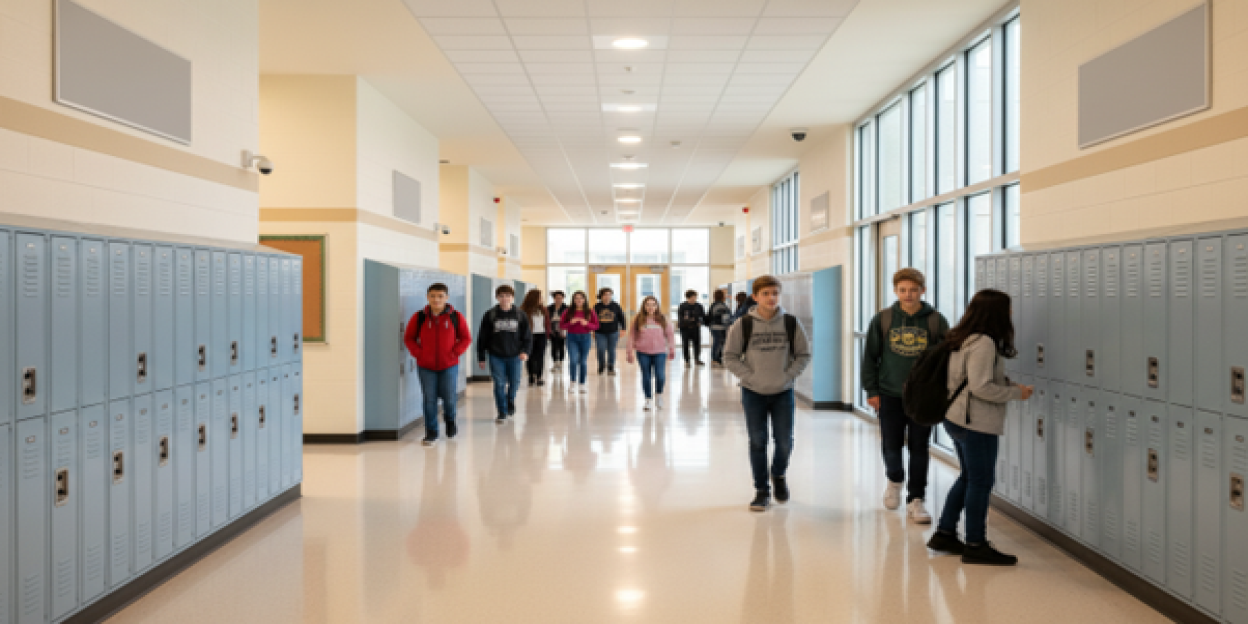
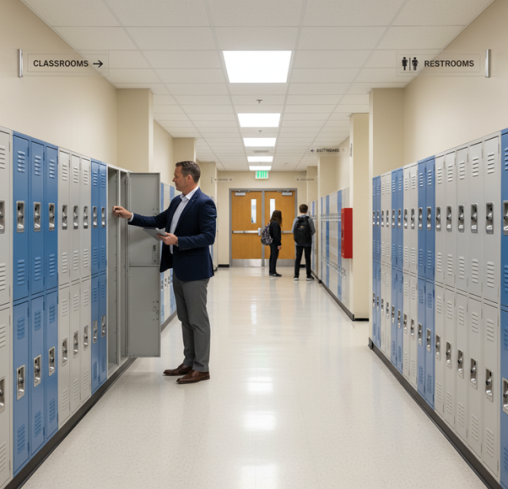
    Schools should provide lockers that are sturdy, functional, and fitted with reliable locks. Ensure:
    • Each student is assigned a specific locker.
    • Lock maintenance is done regularly.
    • Students are reminded to keep lockers locked at all times, not just at the end of the day.
  2. Restrictions on High-Value Personal Items
    The more valuable items brought to school, the higher the risk of theft. Clear policies should:
    • Discourage bringing expensive gadgets, jewelry, or large sums of money.
    • Encourage families to label essential items (like water bottles, bags, and stationery).
    • Communicate that the school is not responsible for unnecessary valuables.
  3. Monitoring Storage Areas
    Locker zones and bag storage areas are common hotspots for theft. Schools can:
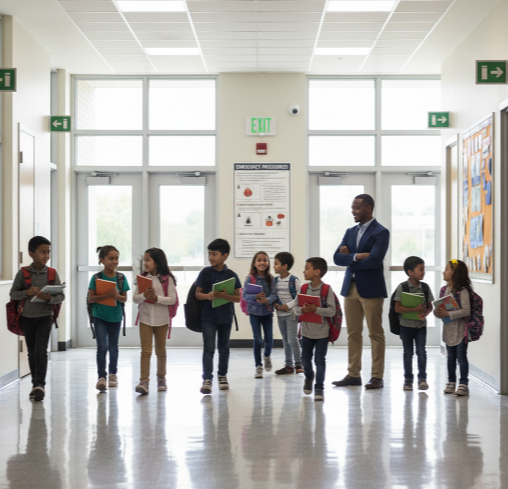
    • Install CCTV cameras in corridors and locker areas (without invading personal privacy).
    • Ensure staff are periodically visible in these areas during peak times (arrival, breaks, dismissal).
    • Use clear signage to remind students that the area is monitored.
  4. Identification Tags and Tracking
    A simple tagging or labeling system helps quickly identify and return misplaced items:
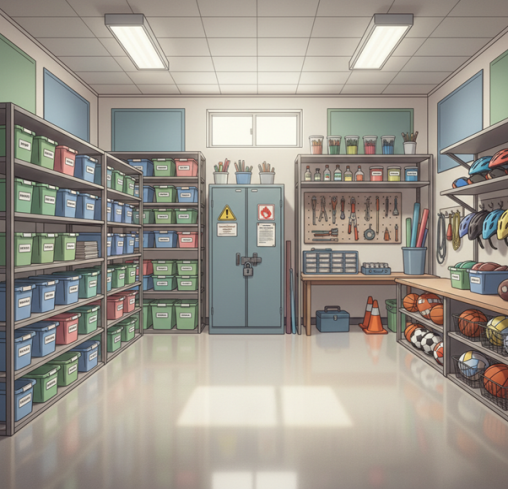
    • Use name labels, barcodes, or color-coded tags for bags and equipment.
    • Maintain basic inventories for school-owned items like sports gear, lab equipment, and musical instruments.

Addressing Vandalism Through Storage Rules

Vandalism often involves materials that students bring or hide in storage spaces. Storage policies can directly limit this:

  • Prohibited Items in Lockers
    Clearly ban storing permanent markers (for graffiti), spray paint, sharp tools, or any vandalism-related materials. Communicate these rules in student handbooks and orientation sessions.
  • Random Locker Checks With Clear Protocols
    Periodic locker checks, conducted fairly and transparently, can:
    • Deter students from hiding prohibited items.
    • Reinforce that lockers are school property and must be used responsibly.
      Ensure the process respects student dignity and follows legal/board guidelines.
  • Accountability for Damage
    Students should understand that:
    • They are responsible for damage to their assigned lockers.
    • Repeated or severe vandalism leads to consequences and possible restitution.
      Visible consequences reduce the perception that “no one gets caught.”
Prev Article
The Role of Storage Policies in Enhancing School Safety
Next Article
Safe Storage in Schools: Protecting Students from Hidden Hazards

Related to this topic:

rocket-icon rocket-icon rocket-icon

Learn What Makes Schools Truly Safe

Receive safety guides, policy updates, and best practices from global experts.

We care about your Personnel Data. Please check Privacy Policy