ESC

What are you looking for?

ESC

What are you looking for?

Shopping cart

Your favorites

You have not yet added any recipe to your favorites list.

Browse recipes

Schedule your 15-minute demo now

We’ll tailor your demo to your immediate needs and answer all your questions. Get ready to see how it works!

0
0
×

School E-Shop

Building Strong Fire-Safe Schools

Fire safety in schools is not optional—it is a core responsibility. With hundreds or even thousands of children and staff on campus each day, schools must treat fire prevention and preparedness as a non‑negotiable priority. A small oversight can quickly escalate into a serious incident if systems, training, and awareness are not in place.

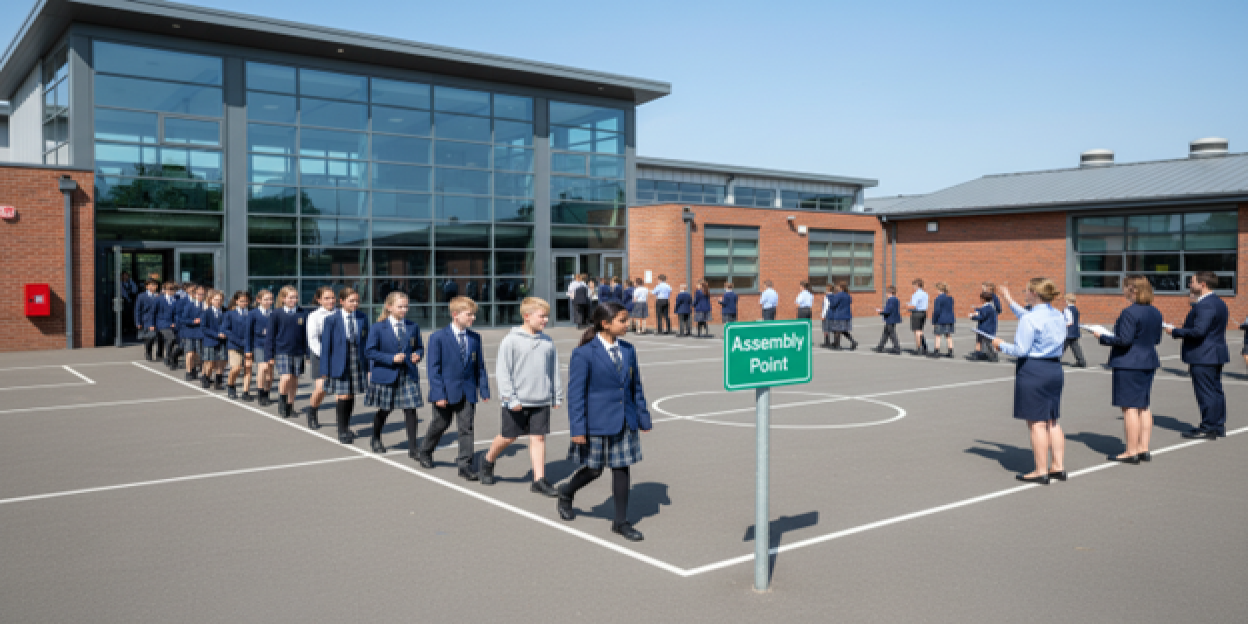
A strong fire safety program starts with well-planned fire drills and clear evacuation procedures. Regular drills ensure that students and staff know exactly what to do, where to go, and how to move safely without panic. Evacuation routes should be mapped, clearly displayed in every classroom and corridor, and kept free of obstructions. Staff must understand their roles—who leads the line, who checks toilets and corridors, and who carries class registers to verify attendance at assembly points.

Equally important is maintaining fire safety equipment. Fire alarms, sprinklers, extinguishers, smoke detectors, and emergency lights must be inspected routinely by certified professionals. Schools should maintain a detailed inspection log to track dates, findings, and corrective actions. This not only supports regulatory compliance but also helps identify recurring issues before they become failures during a real emergency.

Education and awareness tie the entire system together. Fire safety should not be limited to a policy manual; it needs to be part of the school culture. Staff training should cover recognizing fire hazards, using different types of extinguishers, and managing evacuation calmly. Students can be taught age‑appropriate skills—such as not blocking exits, reporting hazards, staying low in smoke, and following instructions quickly and quietly.

Every school also faces specific fire risks linked to its facilities. Science laboratories may store flammable chemicals, kitchens may involve hot surfaces and cooking oils, and storage areas might hold large quantities of paper, uniforms, or cleaning supplies. These high‑risk zones require tailored controls: chemical‑appropriate fire extinguishers in labs, fire blankets and automatic cut-off systems in kitchens, and strict housekeeping and no‑smoking rules in storage areas.

When prevention and preparedness work together, schools significantly reduce both the likelihood and the impact of a fire. Leaders should regularly review their fire safety plan, involve safety committees, and update measures as buildings, activities, or regulations change.

Now is the time for schools to act, not after an incident. Review your evacuation plans, check your equipment logs, walk through high‑risk areas, and schedule your next fire drill with clear objectives. Prioritizing fire safety today protects lives, builds trust with families, and creates a safer learning environment for every child.

Prev Article
Low-Cost Water Conservation Strategies Every School Can Implement
Next Article
Technology in Fire Safety: How Smart Systems Protect Our Schools

Related to this topic:

rocket-icon rocket-icon rocket-icon

Learn What Makes Schools Truly Safe

Receive safety guides, policy updates, and best practices from global experts.

We care about your Personnel Data. Please check Privacy Policy