ESC

What are you looking for?

ESC

What are you looking for?

Shopping cart

Your favorites

You have not yet added any recipe to your favorites list.

Browse recipes

Schedule your 15-minute demo now

We’ll tailor your demo to your immediate needs and answer all your questions. Get ready to see how it works!

0
0
×

School E-Shop

Safer School Trips Through Planning

Planning a school trip should be exciting—but never careless. A solid risk assessment and emergency preparedness plan ensures that learning outside the classroom is both enriching and safe. When schools take a structured approach, they protect students, support staff, and reassure families.

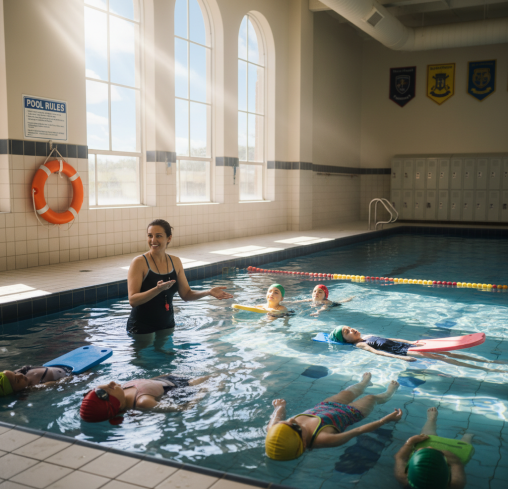
A risk assessment starts with identifying what could go wrong. Schools should look first at travel risks: road conditions, potential delays, vehicle safety, and driver reliability. Next, consider location-specific hazards such as high crime areas, extreme weather patterns, or any local instability. Finally, examine the activities planned—hiking, swimming, adventure sports, laboratory visits, or crowded public spaces—and list the possible dangers they may present to children.

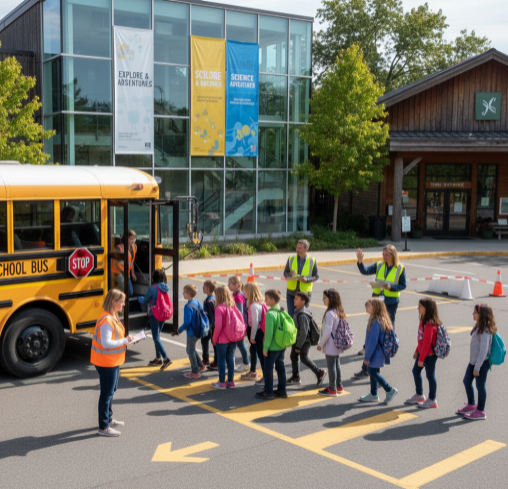
Once risks are identified, the focus must shift to prevention. This begins with selecting safe and reliable transport providers who follow regulations and maintain vehicles properly. Trip destinations should be chosen with nearby medical facilities in mind and clear access routes for emergency services. Before departure, students must be briefed on safety rules: staying with their group, listening to staff instructions, wearing seat belts, and knowing what to do if they get separated.

Emergency preparedness is the backbone of a safe school trip. Every trip should have a clear, written emergency plan. This includes updated emergency contacts—school leaders, local authorities, embassies (for international trips), and nearby hospitals. Staff should receive basic training in first aid and crisis management, and know who is the designated lead in an emergency. An evacuation plan is essential for natural disasters, fire, severe weather, or security threats, including agreed meeting points and communication procedures.

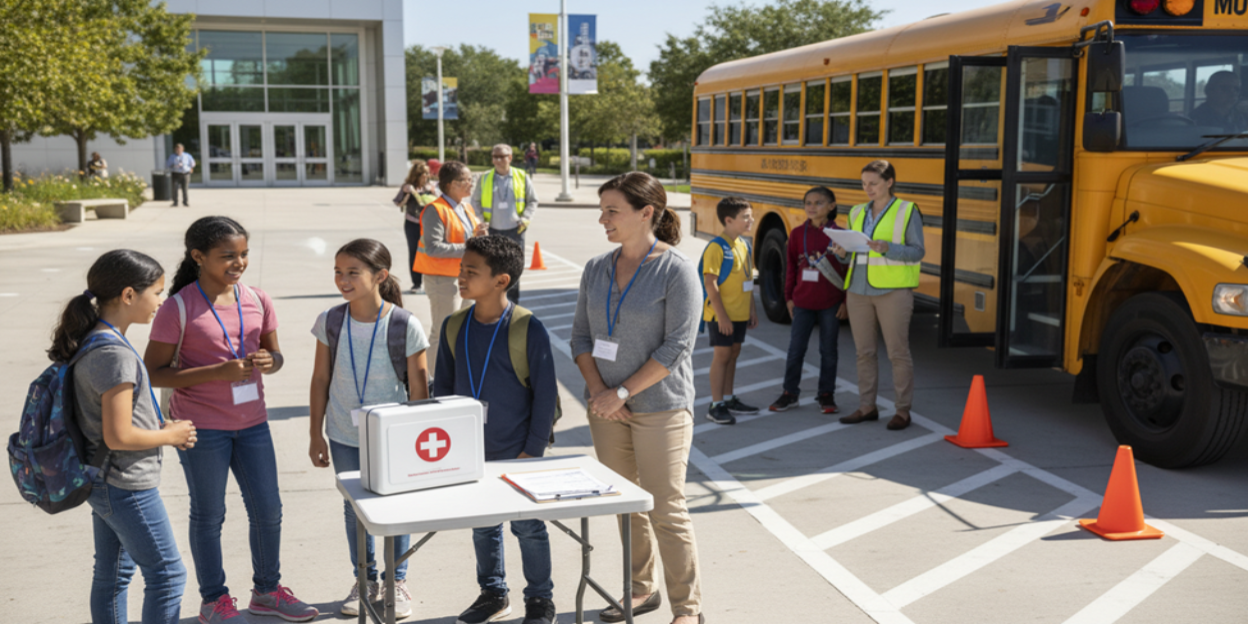
Medical and insurance coverage cannot be an afterthought. Schools must ensure that appropriate travel insurance is in place, covering medical treatment, emergency evacuation, and trip cancellations. Medical information and consent forms for students should be collected in advance, including allergies, medications, and special needs. A well-stocked first-aid kit, along with a list of medical conditions and emergency contacts, should always travel with the group.

A proactive risk assessment approach does not remove all risk—but it significantly reduces the likelihood and impact of incidents. It also demonstrates to parents and authorities that the school takes its duty of care seriously.

Schools and child care centers should review their current field trip procedures, formalize a written risk assessment and emergency plan for every outing, and train staff to follow it consistently. Safe trips don’t happen by chance—they happen by preparation.

Prev Article
The Importance of a Comprehensive School Trips Policy
Next Article
Balancing Technology and Learning: A Smart Mobile Phone Policy for Schools

Related to this topic:

rocket-icon rocket-icon rocket-icon

Learn What Makes Schools Truly Safe

Receive safety guides, policy updates, and best practices from global experts.

We care about your Personnel Data. Please check Privacy Policy